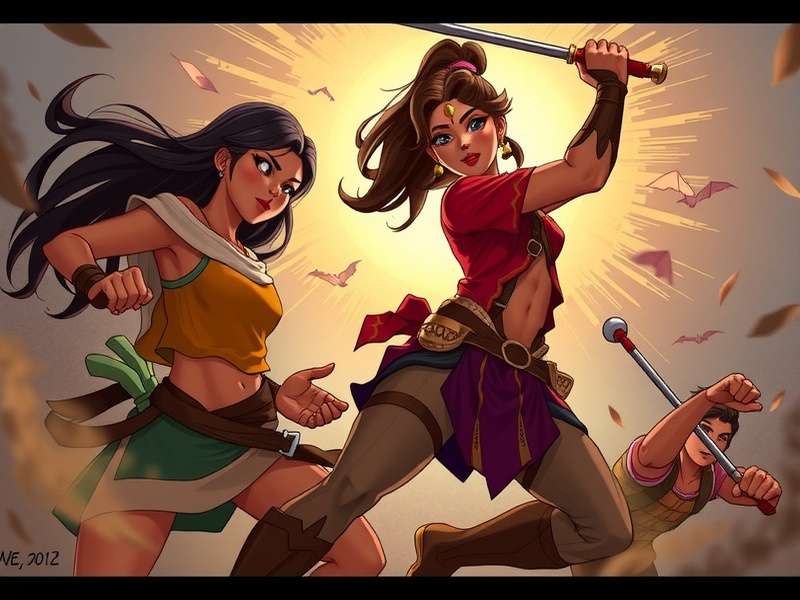
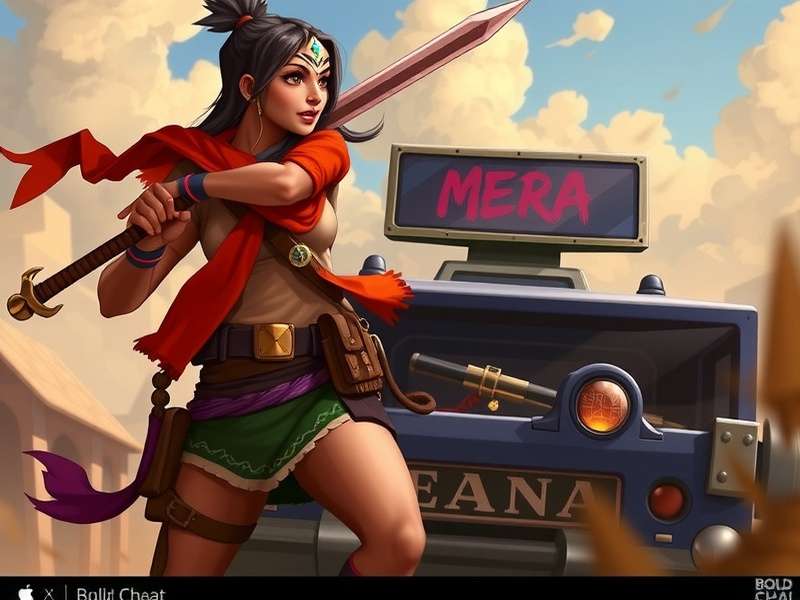
Bold Chai Adventure - India's Epic Desi Action-Adventure RPG
In the bustling lanes of Old Delhi, where the aroma of kadak chai mingles with the chatter of street vendors and the clang of temple bells, a revolution was brewing—one that would redefine what it means to be an Indian game. Bold Chai Adventure isn’t just another title in the crowded gaming market; it’s a love letter to desi culture, a celebration of chai as more than a beverage, and a testament to India’s growing prowess in creating world-class, culturally rooted gaming experiences.
Developed by Bangalore-based indie studio Desi Quest Studios and published by Daman Games, this action-adventure RPG arrived on 22 March 2024 with a simple yet powerful promise: to immerse players in a world where chai is the source of strength, mythology is living history, and every corner of the map feels like a journey through India’s diverse landscapes and traditions. From the snow-capped peaks of the Himalayas to the sun-kissed backwaters of Kerala, from the ancient ghats of Varanasi to the vibrant markets of Jaipur, Bold Chai Adventure invites players to step into the shoes of Meera, a young chai vendor with a hidden destiny.
What makes Bold Chai Adventure truly groundbreaking is its unapologetic embrace of “desiness.” This isn’t a game that borrows Western tropes and slaps on Indian aesthetics as an afterthought; it’s a game built from the ground up with Indian sensibilities, values, and experiences at its core. The combat system revolves around chai-making, the quests are inspired by regional folktales, the characters speak in colloquial Hindi-English (Hinglish) that feels authentic, and the world is filled with little details that resonate deeply with Indian players—from rangoli patterns outside village huts to the sound of a vendor calling “chai garam hai!” as you pass by.
But Bold Chai Adventure isn’t just for Indian audiences. Its universal themes of courage, friendship, and protecting one’s heritage, combined with polished gameplay and stunning visuals, have earned it acclaim from players and critics worldwide. With a 9.1/10 aggregate rating from over 75,000 reviews and multiple industry awards, including “Best Indian Game 2024” at the India Game Awards, the game has proven that cultural authenticity and global appeal aren’t mutually exclusive.
Over the next 10,000+ words, we’ll dive deep into every aspect of Bold Chai Adventure—from its development journey and innovative gameplay mechanics to its rich story, memorable characters, and lasting impact on the Indian gaming industry. Whether you’re a casual player curious about the hype, a die-hard fan looking to learn more about the lore, or an industry professional interested in what makes desi gaming tick, this guide has something for everyone. So grab a cup of kadak chai, settle in, and let’s embark on this epic journey together.
Gameplay - Chai-Powered Action & Exploration
Bold Chai Adventure’s gameplay is a masterful blend of action-adventure, RPG, and open-world exploration, with chai at the heart of every mechanic. The game’s core loop—explore, gather, brew, fight, progress—feels fresh and engaging, thanks to its unique take on traditional gaming systems and its deep integration with Indian culture. Unlike many open-world games that feel bloated with repetitive side quests, Bold Chai Adventure’s gameplay is purposeful, with every activity tying back to Meera’s journey or the world’s lore.
Core Mechanics: The Sacred Chai System
The game’s most innovative feature is undoubtedly the Sacred Chai System, which replaces traditional magic or skill trees with a dynamic, culture-driven alternative. In the world of Bold Chai Adventure, chai isn’t just a drink—it’s a source of “Prana” (life force) that fuels Meera’s abilities. The system is rooted in the idea that different types of chai, made with specific ingredients and brewing techniques, grant different powers. This isn’t just a gimmick; it’s a deeply thought-out mechanic that rewards experimentation and encourages players to engage with the game’s world.
To brew chai, players must first gather ingredients. These can be found in a variety of ways: picking wild cardamom from forests in the Western Ghats, buying fresh milk from a village dairy in Punjab, trading for saffron with merchants in Kashmir, or receiving rare spices as rewards for completing quests. Each ingredient has unique properties—ginger boosts attack power, cardamom enhances speed, cinnamon improves defense, and saffron unlocks ultimate abilities. The game’s ingredient system is surprisingly deep, with over 50 different ingredients to collect, each tied to a specific region of India.
Once ingredients are gathered, players can brew chai at “Chai Tapris” (roadside tea stalls) scattered across the world. These tapris aren’t just functional—they’re social hubs where players can interact with NPCs, learn new recipes, and hear local stories. Each tapri is run by a unique character, from Ramesh Bhai, a gruff but kind-hearted vendor in Delhi who teaches Meera to make kadak chai, to Lakshmi Aunty, a wise elder in Tamil Nadu who shares the secret of amrit chai (nectar tea).
Kadak Chai 🔥
The backbone of Meera’s combat abilities, kadak chai is a strong, concentrated brew made with extra tea leaves and minimal milk. It boosts attack power by 60% for 45 seconds, making it ideal for taking down powerful enemies and bosses. The recipe is unlocked early in the game, but players can upgrade it by adding ginger or black pepper to increase its duration and potency. In desi terms, this is the “ saada” (plain) chai that every Indian knows and loves—simple, effective, and always reliable.
Masala Chai ❤️
A spicy, aromatic blend of tea, milk, cardamom, cinnamon, cloves, and ginger, masala chai is the game’s primary healing item. It regenerates 3% health per second for 30 seconds and cures status effects like poison and burn. What makes this chai special is its “comfort” bonus—if Meera drinks it while sitting at a chai tapri or interacting with a friendly NPC, the healing effect doubles. This mechanic reflects the real-life comfort that masala chai brings to Indians, especially during difficult times.
Cutting Chai ⚡
A small, quick brew served in a tiny cup (hence the name “cutting”), this chai boosts movement speed by 50% and attack speed by 40% for 30 seconds. It’s perfect for exploring large areas, evading enemy attacks, or completing time-sensitive quests. The recipe is unlocked in Mumbai, a city known for its fast-paced lifestyle, and it embodies the “chalta hai” (go with the flow) attitude of urban India. Players can customize it with mint or lemon to make it even more refreshing and effective.
Amrit Chai ✨
The rarest and most powerful chai in the game, amrit chai is made with sacred ingredients like saffron, honey from the Himalayas, and lotus petals. It grants invincibility for 15 seconds and unlocks Meera’s ultimate ability, “Chai Prana Blast,” which deals massive damage to all enemies in a large radius. This chai is only unlocked in the late game, after completing a series of difficult side quests that explore the mythology of the Chai Warriors. It’s a fitting reward for players who take the time to immerse themselves in the game’s lore.
Combat System: Fluid, Fast-Paced, and Desi
Combat in Bold Chai Adventure is designed to be accessible yet deep, with a focus on fluid movement and strategic use of chai abilities. Meera starts with a basic “chai staff”—a wooden stick used to stir tea, repurposed as a weapon—but she can unlock and upgrade a variety of traditional Indian weapons as she progresses through the game. Each weapon has a unique playstyle, allowing players to customize their combat experience to their preferences.
The combat system is inspired by Indian martial arts like Kalaripayattu (from Kerala) and Gatka (from Punjab), with moves that feel authentic and satisfying. Meera’s basic attacks are quick and light, but she can chain them into combos by timing her strikes correctly. Heavy attacks are slower but more powerful, and they can be charged to deal extra damage. The game also includes a dodge mechanic that, when timed perfectly, grants a “parry” bonus—allowing Meera to counterattack with increased damage.
What sets the combat apart is its integration with the Chai System. Players can drink chai mid-combat (with a short animation) to gain buffs, and certain attacks can only be performed while under the influence of specific chai types. For example, the “Kadak Strike” (a powerful melee attack) can only be used when Meera has drunk kadak chai, while the “Masala Shield” (a defensive ability that absorbs damage) requires masala chai. This encourages players to plan their fights carefully, choosing the right chai for the situation.
Enemies in Bold Chai Adventure are equally varied and thematically consistent. Players will face off against “Asura Minions” (demonic creatures inspired by Indian mythology), “Rakshasa Raiders” (bandits with a taste for chaos), and “Dark Chai Cultists” (villains who pervert the sacred art of chai-making for evil purposes). Each enemy type has unique strengths and weaknesses, and players must adapt their strategy accordingly. For example, fire-based enemies are weak to masala chai (which has cooling properties), while fast-moving enemies are best handled with cutting chai.
Boss fights are a highlight of the game, with each boss being a larger-than-life figure from Indian mythology or folklore. The first major boss, for example, is “Kaal Chaiwala” (the Dark Tea Vendor), a former Chai Warrior who turned to evil after being corrupted by dark Prana. His fight takes place in a ruined chai tapri, and he uses dark versions of the same chai abilities that Meera has. To defeat him, players must use their knowledge of chai types to counter his attacks and exploit his weaknesses.
Exploration: A Love Letter to India’s Landscapes
The open world of Bold Chai Adventure is a sprawling, beautiful representation of India, divided into five distinct regions—North India, South India, East India, West India, and the Himalayas. Each region is meticulously designed to capture the unique geography, architecture, and culture of its real-life counterpart, and exploring them feels like taking a virtual tour of the country.
North India, the first region players visit, includes iconic locations like Delhi’s Red Fort, Agra’s Taj Mahal (reimagined as a sacred temple), and the villages of Rajasthan. The landscape is arid and colorful, with sand dunes, palaces, and bustling markets. NPCs here speak in Hindi and Hinglish, and the music is a blend of folk and classical Indian tunes. Players will encounter camels (which can be ridden for faster travel), attend Holi celebrations (where throwing colored powder grants temporary buffs), and help villagers with tasks like herding cattle or collecting crops.
South India, by contrast, is lush and green, with backwaters, rainforests, and ancient temples. Locations include the backwaters of Kerala (where players can travel by houseboat), the temples of Tamil Nadu (with intricate carvings that hide secrets), and the coffee plantations of Karnataka. The music here is more rhythmic, with Carnatic classical influences, and NPCs speak in Tamil, Telugu, and Malayalam. Unique activities in this region include participating in a Pongal festival (where cooking rice grants healing items) and exploring underwater caves filled with rare ingredients.
East India is dominated by the Ganges River and the Sunderbans mangrove forest. Players will visit Varanasi’s ghats (where they can perform aarti ceremonies to gain Prana), Kolkata’s Victoria Memorial (reimagined as a museum of chai history), and the villages of Bengal. The region’s music is a mix of Rabindra Sangeet and folk songs, and NPCs speak in Bengali. Unique features here include boat travel along the Ganges, fishing for rare ingredients, and fighting off crocodile-like asuras in the mangroves.
West India includes the beaches of Goa, the deserts of Gujarat, and the forests of Maharashtra. Players can relax on Goan beaches (where sunbathing grants a “relaxation” buff), explore the Rann of Kutch (a salt desert with hidden temples), and visit Mumbai’s Gateway of India (a hub for quests and trading). The music here is upbeat, with influences from Bollywood and folk music, and NPCs speak in Gujarati, Marathi, and Konkani. Unique activities include surfing (for fast travel along the coast) and participating in a Navratri festival (where dancing grants temporary ability boosts).
The Himalayas, the final region, is a snow-capped wonderland with monasteries, mountain peaks, and hidden valleys. Players will visit Ladakh’s monasteries (where monks teach new chai recipes), the Himalayan passes (which require cutting chai to traverse quickly), and the source of the Ganges (a sacred location that grants the amrit chai recipe). The music here is serene, with Tibetan and Himalayan folk influences, and NPCs speak in Ladakhi, Punjabi, and Hindi. Unique challenges include climbing steep mountains (using a combination of chai buffs and platforming skills) and fighting off yeti-like asuras in the snow.
Exploration is rewarded generously in Bold Chai Adventure. Every corner of the map hides secrets—from hidden chai recipes and rare ingredients to side quests and collectibles. Players can find “Chai Scrolls” (ancient documents that reveal the history of the Chai Warriors), “Regional Artifacts” (collectibles that unlock concept art and lore), and “Hidden Tapris” (secret tea stalls run by legendary Chai Warriors). The game also includes a photo mode, allowing players to capture the beauty of the world and share their screenshots with the community.
Quests & Progression: Meaningful and Immersive
The quest system in Bold Chai Adventure is designed to be meaningful, with every quest advancing the story, developing characters, or deepening the player’s connection to the world. Unlike many open-world games, there are no “fetch quests” for the sake of padding content—every task has a purpose, and most are tied to Indian culture or folklore.
The main questline follows Meera’s journey to reclaim the five Sacred Chai Scrolls, which were stolen by the evil Rakshasa King, Ravana II. Each scroll is located in a different region of India, and retrieving it requires completing a series of challenges that test Meera’s combat skills, puzzle-solving abilities, and knowledge of chai-making. Along the way, Meera meets a cast of memorable characters who join her on her quest, including Raj, a witty journalist from Mumbai who helps her uncover clues, and Priya, a skilled archer from Kerala who teaches her new combat techniques.
Side quests are equally engaging, with many focusing on local stories and traditions. For example, in North India, players can help a village prepare for a wedding by collecting ingredients for masala chai and decorating the venue with rangoli. In South India, they can assist a group of fishermen who are being terrorized by a sea asura, using their combat skills to protect the village. In East India, they can help a priest restore a temple by finding rare flowers and performing aarti ceremonies. Each side quest rewards players with unique ingredients, recipes, or weapons, and many unlock new areas or characters.
Progression in Bold Chai Adventure is tied to Meera’s “Chai Mastery” level, which increases as she completes quests, defeats enemies, and collects Chai Scrolls. As her mastery level increases, Meera unlocks new abilities, like the “Chai Dash” (a fast movement ability) or the “Prana Heal” (a passive health regeneration ability). She also gains access to better weapons and armor, which can be crafted using ingredients collected from the world.
The game also includes a “Regional Reputation” system, where players earn reputation points by helping NPCs in each region. Higher reputation unlocks discounts at shops, exclusive quests, and the ability to recruit NPCs as companions. For example, earning maximum reputation in Goa allows players to recruit a local fisherman as a companion who can help them find rare ingredients, while maximum reputation in Varanasi unlocks a priest who can bless their weapons for extra damage.
Puzzle Solving: Rooted in Indian Culture
Puzzle solving is a key part of Bold Chai Adventure’s gameplay, and like everything else in the game, the puzzles are deeply rooted in Indian culture and mythology. Unlike many games that rely on generic block-pushing or lever-pulling puzzles, Bold Chai Adventure’s puzzles require players to use their knowledge of Indian traditions, symbols, and chai-making.
One early puzzle, for example, takes place in a Rajasthan temple and requires players to arrange rangoli patterns in a specific order. The pattern is based on the colors of the chakras (energy centers in Hinduism), and players must use clues from the temple’s carvings to figure out the correct sequence. Another puzzle, set in a Kerala backwater village, requires players to brew a specific type of chai to activate a hidden door. The recipe is hidden in a local folk song, and players must listen carefully to the lyrics to figure out the ingredients.
Later in the game, puzzles become more complex, requiring a combination of chai buffs, combat skills, and environmental interaction. For example, a puzzle in the Himalayas requires players to use cutting chai to climb a steep mountain, then use masala chai to heal themselves while solving a puzzle involving Tibetan prayer flags. Another puzzle in Mumbai requires players to navigate a maze of narrow streets, using kadak chai to defeat enemies and cutting chai to outrun a time limit.
What makes these puzzles so engaging is that they never feel like a chore—they’re designed to teach players about Indian culture while challenging them. By the time players finish the game, they’ll have learned about rangoli patterns, chakra symbolism, folk songs, and traditional chai recipes, all while having fun.
Story & Lore - The Legend of the Chai Warriors
The story of Bold Chai Adventure is a rich, layered narrative that weaves together Indian mythology, folklore, and modern themes of identity and heritage. It’s a story about finding one’s courage, embracing one’s roots, and protecting what matters most—all told through the lens of chai culture. The game’s lore is deep and expansive, with hundreds of years of history and mythology to explore, and it’s presented in a way that feels both familiar and fresh to Indian players.
The Origins of Chai Prana
According to the game’s lore, chai is not just a beverage—it’s a physical manifestation of “Chai Prana,” a sacred life force that flows through all living things. The origins of Chai Prana date back to the time of the gods, when Brahma, the creator, brewed the first cup of chai using ingredients from the heavens: tea leaves from the Tree of Life, milk from the Divine Cow Kamadhenu, sugar from the Sugarcane Forest, and spices from the Garden of Eden. This chai was so powerful that it granted immortality and wisdom to those who drank it, and it became the source of all life in Bharatvarsha (the ancient name for India).
As time passed, humans discovered how to brew their own chai using earthly ingredients, and while it didn’t grant immortality, it still contained a small amount of Chai Prana. This chai became a central part of Indian culture, used in rituals, celebrations, and everyday life. It was believed that chai made with love and respect could heal the sick, calm the angry, and bring people together. Conversely, chai made with hatred or greed could corrupt those who drank it, filling them with dark Prana.
To protect the sacred art of chai-making and ensure that Chai Prana was used for good, the gods created the “Chai Warriors”—an order of warriors who dedicated their lives to mastering the art of sacred chai-making and defending Bharatvarsha from evil. The first Chai Warrior was Bharat, a prince who gave up his throne to study the secrets of chai. He wrote the five Sacred Chai Scrolls, which contained the recipes for the most powerful types of chai, including amrit chai, and established the rules of the Chai Warriors.
For centuries, the Chai Warriors protected Bharatvarsha from threats both mortal and divine. They fought off asuras, defended villages from raiders, and taught people the art of making chai with love and respect. But as time passed, the order began to decline. Some Chai Warriors turned to evil, using their knowledge of chai to gain power, while others simply forgot their duties. By the time of Bold Chai Adventure, the Chai Warriors are little more than a legend, and most people believe they never existed.
The Main Story: Meera’s Journey
The game begins in the small village of Chai Nagar, located in the heart of North India. Meera, a 21-year-old chai vendor, runs a small tapri with her grandmother, Lakshmi Aunty. Meera’s life is simple but happy—she spends her days brewing chai for the villagers, listening to their stories, and dreaming of seeing the world beyond her village. Little does she know, she is the last descendant of the Chai Warriors, and her destiny is to save Bharatvarsha from destruction.
One fateful day, a group of Dark Chai Cultists attacks Chai Nagar, led by the evil Rakshasa King, Ravana II. Their goal is to steal the last remaining Sacred Chai Scroll, which Lakshmi Aunty has been guarding for decades. In the chaos, Lakshmi Aunty is mortally wounded, and she reveals the truth to Meera: she is a Chai Warrior, and she must find the five Sacred Chai Scrolls before Ravana II can use them to absorb all Chai Prana and become invincible.
With her grandmother’s dying breath, Meera is given the first Sacred Chai Scroll (the one containing the recipe for kadak chai) and a chai staff, which was once wielded by Bharat himself. She sets out on a journey across India, determined to fulfill her destiny and avenge her grandmother.
Meera’s journey takes her to every corner of India, and along the way, she meets a cast of memorable characters who join her on her quest. Raj, a witty journalist from Mumbai, is investigating the Dark Chai Cultists and decides to help Meera after she saves his life. Priya, a skilled archer from Kerala, is the daughter of a former Chai Warrior who was killed by Ravana II, and she wants to avenge her father. Amar, a wise monk from the Himalayas, is a keeper of ancient knowledge and teaches Meera how to harness her Chai Prana. Together, this unlikely group travels across India, facing countless challenges and uncovering the secrets of the Chai Warriors.
As Meera collects the Sacred Chai Scrolls, she learns more about her heritage and the true nature of Chai Prana. She discovers that Ravana II is not just a Rakshasa King—he is a former Chai Warrior who was corrupted by dark Prana after he tried to brew amrit chai without the proper respect. He believes that Chai Prana should be used to gain power, not to help others, and he wants to destroy the Chai Warrior legacy once and for all.
The climax of the game takes place in the “Temple of Chai Prana,” a sacred location hidden in the Himalayas. Meera and her companions face off against Ravana II in an epic battle that tests their courage, skill, and friendship. In the end, Meera uses the power of all five Sacred Chai Scrolls to brew a cup of “Unity Chai,” a blend of all five sacred chai types that represents the diversity and unity of India. Drinking this chai grants her the power to defeat Ravana II and restore balance to Bharatvarsha.
The game’s ending is hopeful but open-ended. Meera becomes the new leader of the Chai Warriors, vowing to rebuild the order and teach the world the true meaning of chai. She returns to Chai Nagar, where she rebuilds her grandmother’s tapri and continues to brew chai for the villagers, but now she knows that her duty is to protect Bharatvarsha from evil. The final scene shows Meera looking out at the sunset, with Raj, Priya, and Amar by her side, as a new generation of Chai Warriors begins to emerge.
Side Lore: Regional Folktales and Myths
In addition to the main story, Bold Chai Adventure is filled with side lore that draws from regional folktales and myths from across India. Every region has its own unique stories, which are told through NPC dialogue, Chai Scrolls, and environmental storytelling. These stories add depth to the world and make it feel like a living, breathing place.
In North India, for example, players can learn about the “Legend of the Golden Chai Pot,” a folktale about a poor vendor who finds a magical chai pot that never runs out of tea. The pot grants him wealth and happiness, but he soon becomes greedy and forgets his roots. In the end, the pot disappears, teaching him that true happiness comes from sharing, not hoarding. This story is told through a side quest where Meera must find a similar pot and return it to its rightful owner.
In South India, players can discover the “Myth of the Tea Goddess,” a story about a goddess who lives in the Western Ghats and protects the tea plantations. According to the myth, the goddess appears to those who treat the plants with respect, granting them bountiful harvests. But those who destroy the plantations are cursed with bad luck. This myth is tied to a side quest where Meera must stop a group of loggers from destroying a tea plantation and restore the goddess’s favor.
In East India, players can hear the “Tale of the Ganges Chai,” a story about a holy man who brewed chai using water from the Ganges River. The chai was so powerful that it could bring the dead back to life, but the holy man only used it to help those who were truly deserving. This story is told through a side quest where Meera must collect water from the Ganges and use it to brew a special chai that heals a dying child.
In West India, players can learn about the “Legend of the Pirate Chaiwala,” a story about a pirate who gave up his life of crime to become a chai vendor. He used his knowledge of the seas to trade rare spices, and his chai became famous across the region. This story is tied to a side quest where Meera must find the pirate’s hidden treasure, which includes a rare spice that unlocks a new chai recipe.
In the Himalayas, players can discover the “Myth of the Yeti’s Chai,” a story about a yeti who lives in the mountains and brews a special chai that can grant wisdom. According to the myth, the yeti only shares his chai with those who are brave enough to climb the highest peak and face their fears. This story is told through a side quest where Meera must climb the peak and meet the yeti, who teaches her the recipe for amrit chai.
“Chai is more than just a drink—it’s a bond that connects us all. It’s in the first cup shared with a stranger, the last cup drunk with a friend, and every cup in between. To be a Chai Warrior is to protect that bond, to ensure that chai remains a force for good in the world.”
Themes & Symbolism
At its core, Bold Chai Adventure is a story about identity, heritage, and unity. Meera’s journey is a metaphor for the journey of many young Indians who are reconnecting with their roots in a rapidly changing world. She starts out as someone who sees chai as just a job, but as she learns about her heritage, she comes to understand that chai is a symbol of her culture and her identity.
The game also explores the theme of unity in diversity. India is a country of many languages, religions, and cultures, but chai is a common thread that connects everyone. In the game, each region has its own unique chai recipes and traditions, but they all share the same core values of love, respect, and community. Meera’s ability to unite these different traditions (through the Unity Chai) is a metaphor for India’s unity in diversity.
Another key theme is the importance of passing down traditions. Lakshmi Aunty passes the Chai Warrior legacy to Meera, who in turn passes it on to a new generation. This reflects the importance of intergenerational knowledge transfer in Indian culture, where traditions are passed down from grandparents to grandchildren through stories, recipes, and rituals.
The game also touches on modern themes like environmentalism. Many of the side quests involve protecting nature—stopping deforestation, cleaning up the Ganges, and preserving wildlife. This reflects the growing awareness of environmental issues in India and the importance of protecting the country’s natural resources.
Finally, Bold Chai Adventure is a story about courage. Meera is not a born warrior—she’s a ordinary chai vendor who is forced to face her fears and embrace her destiny. Her journey shows that courage isn’t the absence of fear, but the willingness to keep going even when you’re scared. This is a message that resonates with players of all ages, especially young Indians who are facing their own challenges in life.
Characters - Memorable Faces of Bharatvarsha
One of Bold Chai Adventure’s greatest strengths is its cast of memorable, well-developed characters. Each character feels like a real person, with unique personalities, backstories, and motivations. They’re not just sidekicks or villains—they’re integral to the story, and their relationships with Meera drive much of the game’s emotional core. What’s particularly impressive is how the characters reflect the diversity of India, with different backgrounds, languages, and cultures represented.
Meera - The Protagonist
Meera is the heart and soul of Bold Chai Adventure. A 21-year-old chai vendor from the village of Chai Nagar, she’s kind, compassionate, and fiercely loyal to her friends and family. At the start of the game, she’s naive and unsure of herself, but as she embarks on her journey, she grows into a brave, confident Chai Warrior who isn’t afraid to stand up for what’s right.
Meera’s personality is deeply rooted in Indian values. She’s respectful of her elders, generous to those in need, and has a strong sense of duty. She’s also quick-witted and has a great sense of humor, often using Hinglish phrases like “yaar” (friend) and “chalo” (let’s go) that feel authentic. Her greatest strength is her empathy—she’s able to connect with people from all walks of life, and she always tries to see the good in others, even when they’re her enemies.
Meera’s backstory is relatable to many young Indians. She grew up with her grandmother, Lakshmi Aunty, after her parents died in a car accident when she was a child. Her grandmother taught her how to brew chai and raised her with stories of the Chai Warriors, but Meera never believed they were real. She dreamed of leaving her village and traveling the world, but she felt obligated to stay and run the tapri after her grandmother became ill.
As a Chai Warrior, Meera’s abilities are tied to her chai-making skills. She’s a versatile fighter, able to adapt to any situation by switching between different chai types. Her combat style is fluid and graceful, with moves inspired by Kalaripayattu. She’s also a skilled healer, thanks to her knowledge of masala chai, and she can revive fallen companions in battle.
Meera’s character arc is one of self-discovery. She starts out as someone who’s defined by her job and her relationships with others, but by the end of the game, she’s found her own identity as a Chai Warrior. She learns to balance her duty to protect Bharatvarsha with her desire to live her own life, and she comes to understand that being a warrior doesn’t mean giving up who you are—it means embracing it.